Should rainwater collection be considered before or after landscape design?
Rainwater collection is often best considered during landscape planning.
This allows water movement, storage placement, and planting decisions to work together rather than compete.
Can rainwater systems be added gradually over time?
Yes, many homeowners start with a modest setup.
They expand or adapt the system as their understanding and needs evolve.
Do I need to decide everything upfront before starting?
No, rainwater systems often benefit from flexible planning.
You do not need to make every decision permanent on day one.
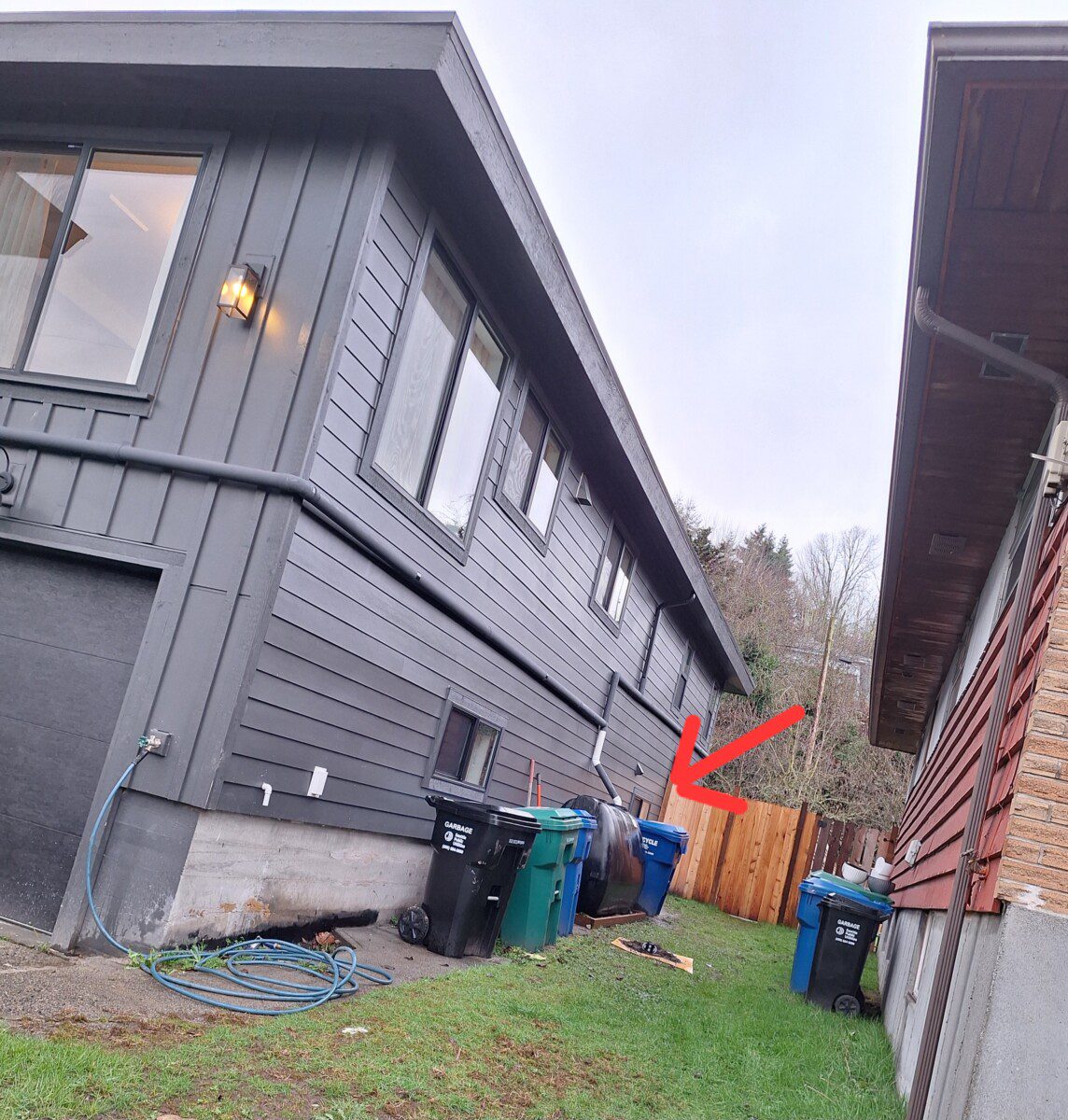
Where does rainwater usually exit a home today?
Most homes shed water through downspouts at specific points.
In many cases there is little intentional management beyond surface discharge.
Can rainwater be redirected without permanently altering the house?
In many situations water can be rerouted or intercepted with reversible measures.
This avoids permanent structural changes to the house.
Does slope or low points on the property matter?
Yes, natural low points and gentle slopes are critical.
They influence where water naturally wants to move and collect.
Is a tank the solution to rainwater collection?
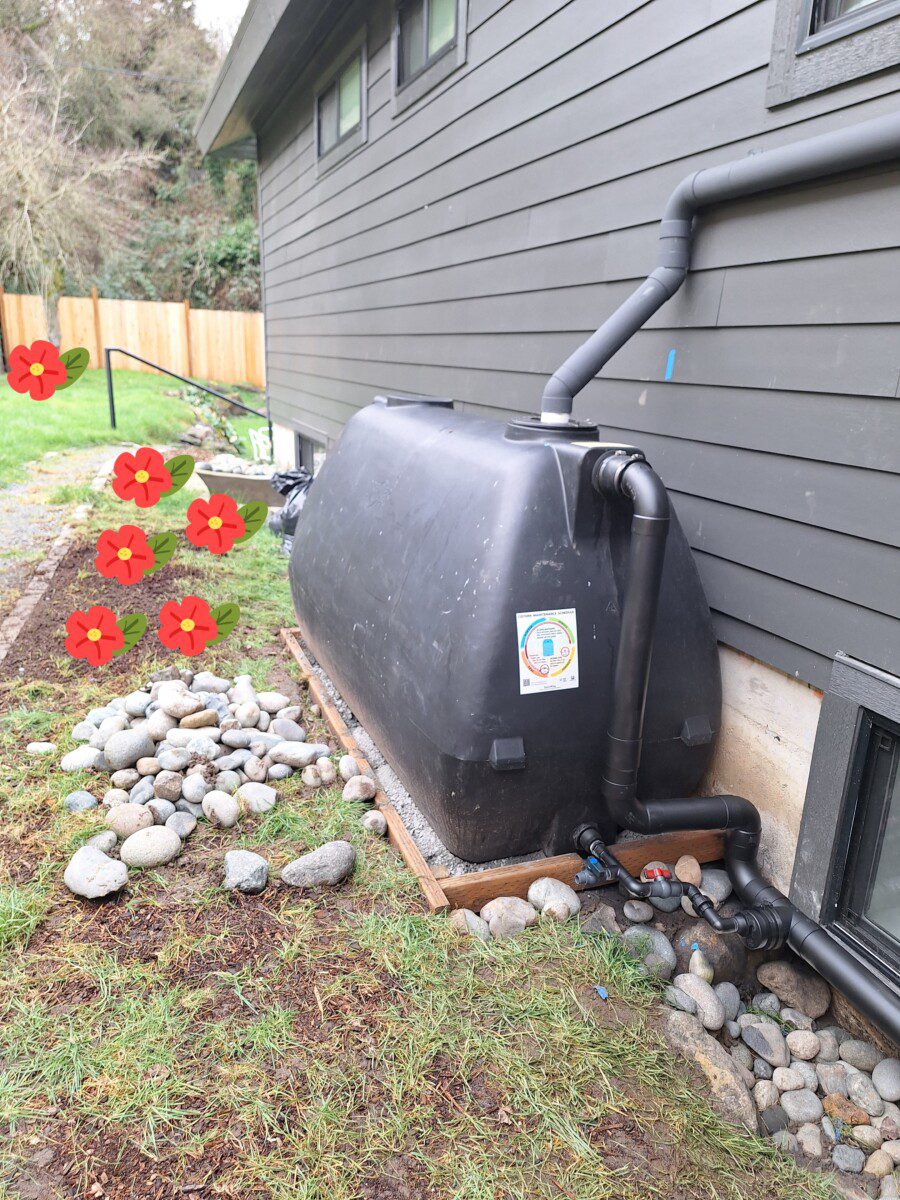
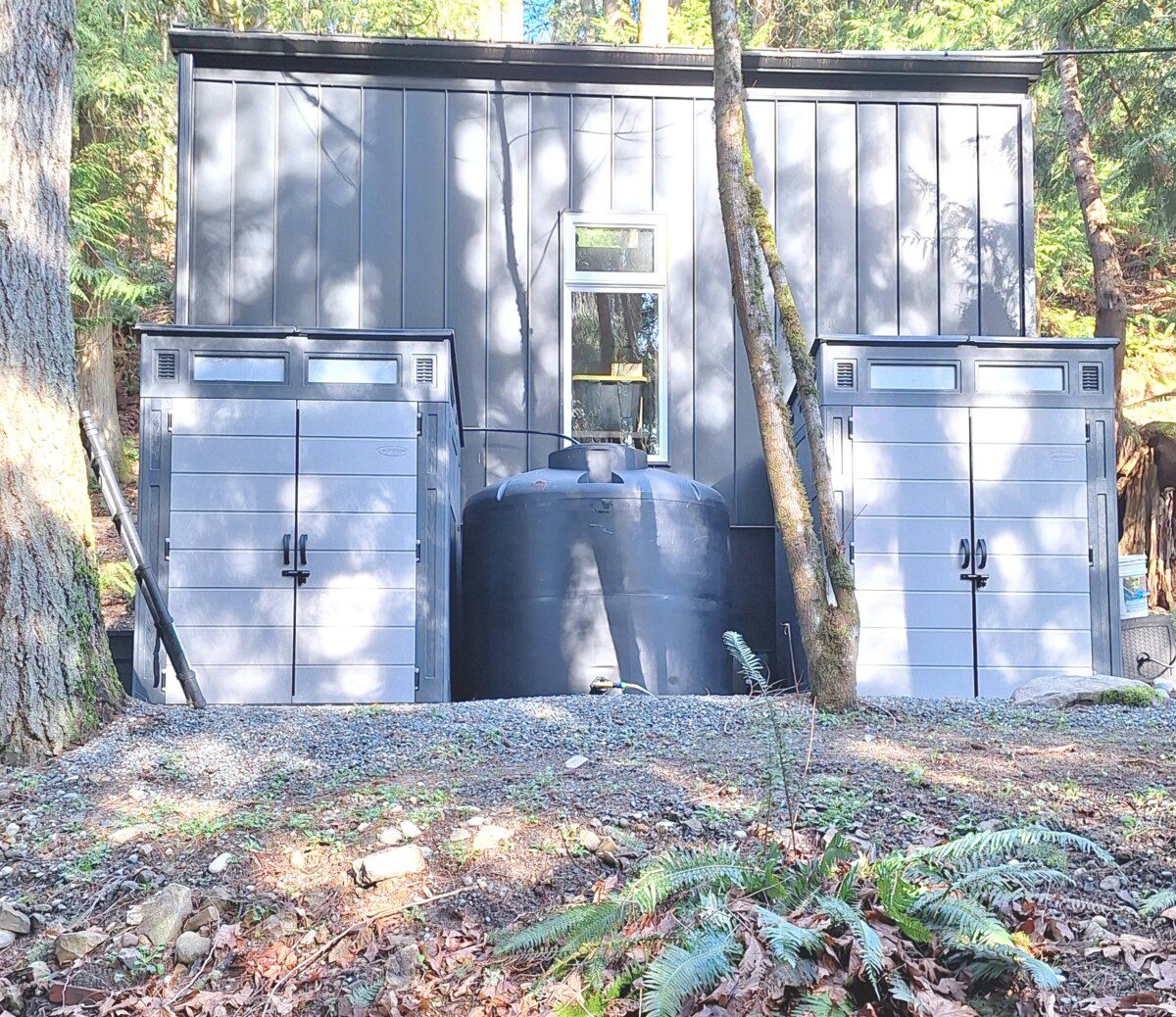
A tank helps store water, but it is only one part of the system.
Storage alone does not solve how water is captured, distributed, or used.
Are small tanks useful?
Small tanks can be useful as learning tools or for limited goals.
On their own they rarely provide a year‑round water supply.
Is it realistic to rely on stored rainwater all year?
Storage capacity is limited and rainfall is seasonal.
Many homeowners plan for partial or seasonal use instead of full‑year reliance.
What is rainwater most commonly used for?
For most homes, irrigation is the primary use.
Other uses are often optional or aspirational.
Can rainwater be used for pools or hot tubs?
It may be possible in some situations.
However, many homeowners deprioritize this after understanding water demand and timing.
Does rainwater work at high pressure like city water?
Rainwater systems typically operate at lower pressure than city water.
They are not designed to behave like municipal systems at every outlet.
Is rainwater harvesting more about savings or long‑term planning?
Many homeowners value rainwater systems for flexibility and resilience.
Long‑term adaptability often matters more than immediate financial payback.
Do rainwater systems have to be permanent or visible?
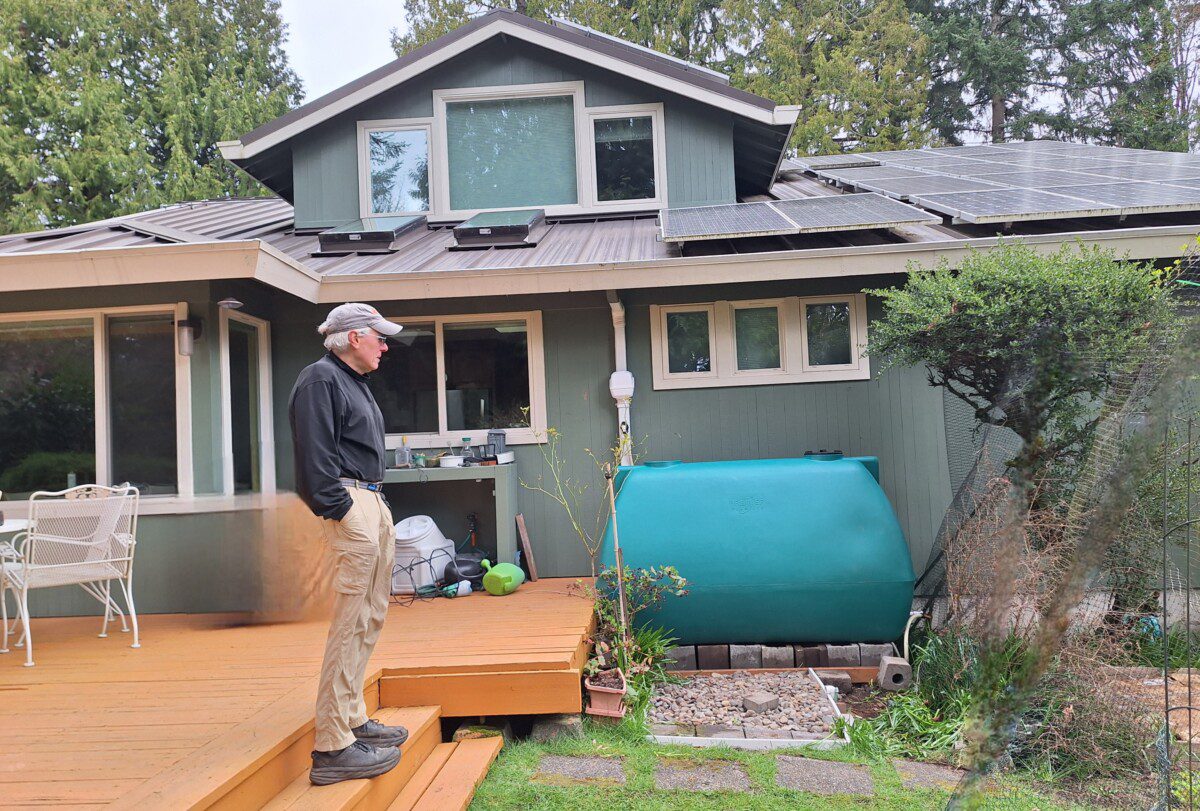
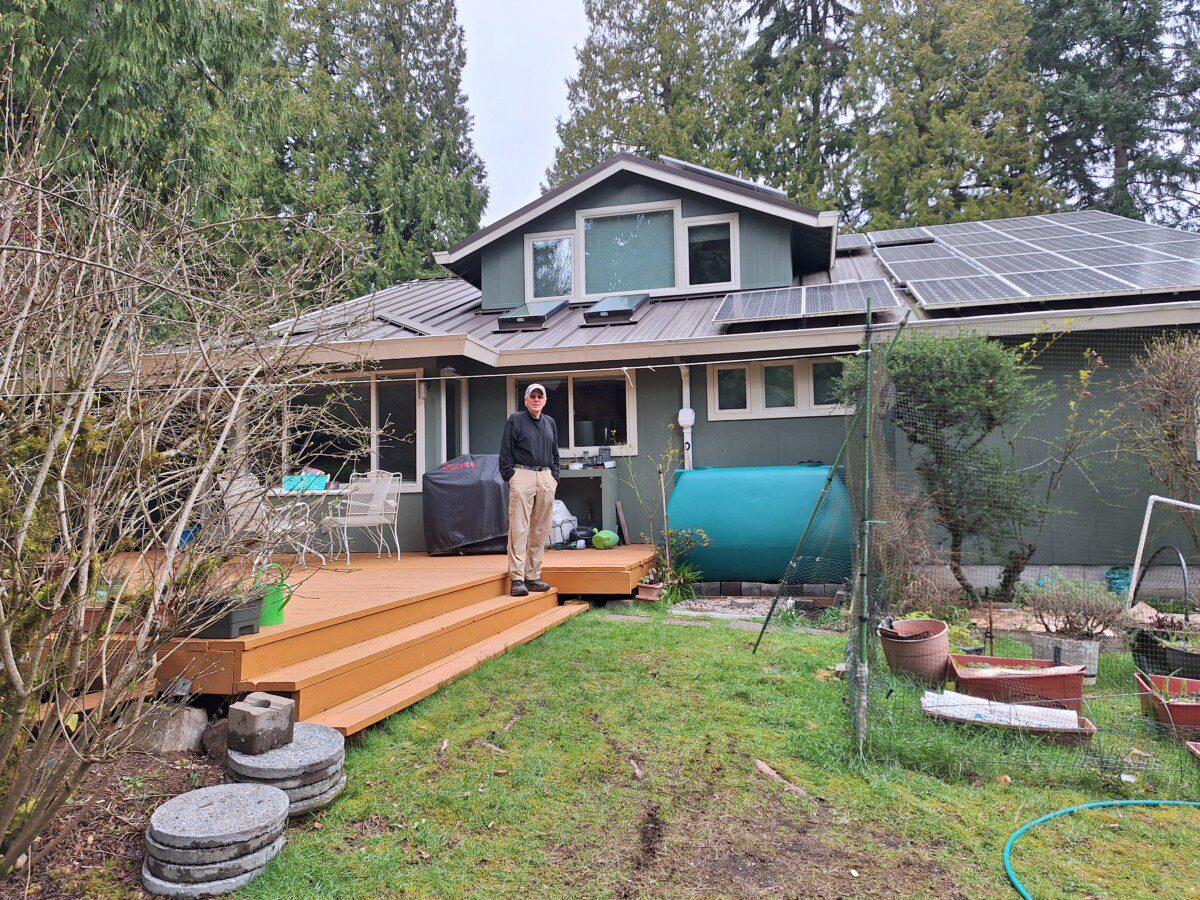
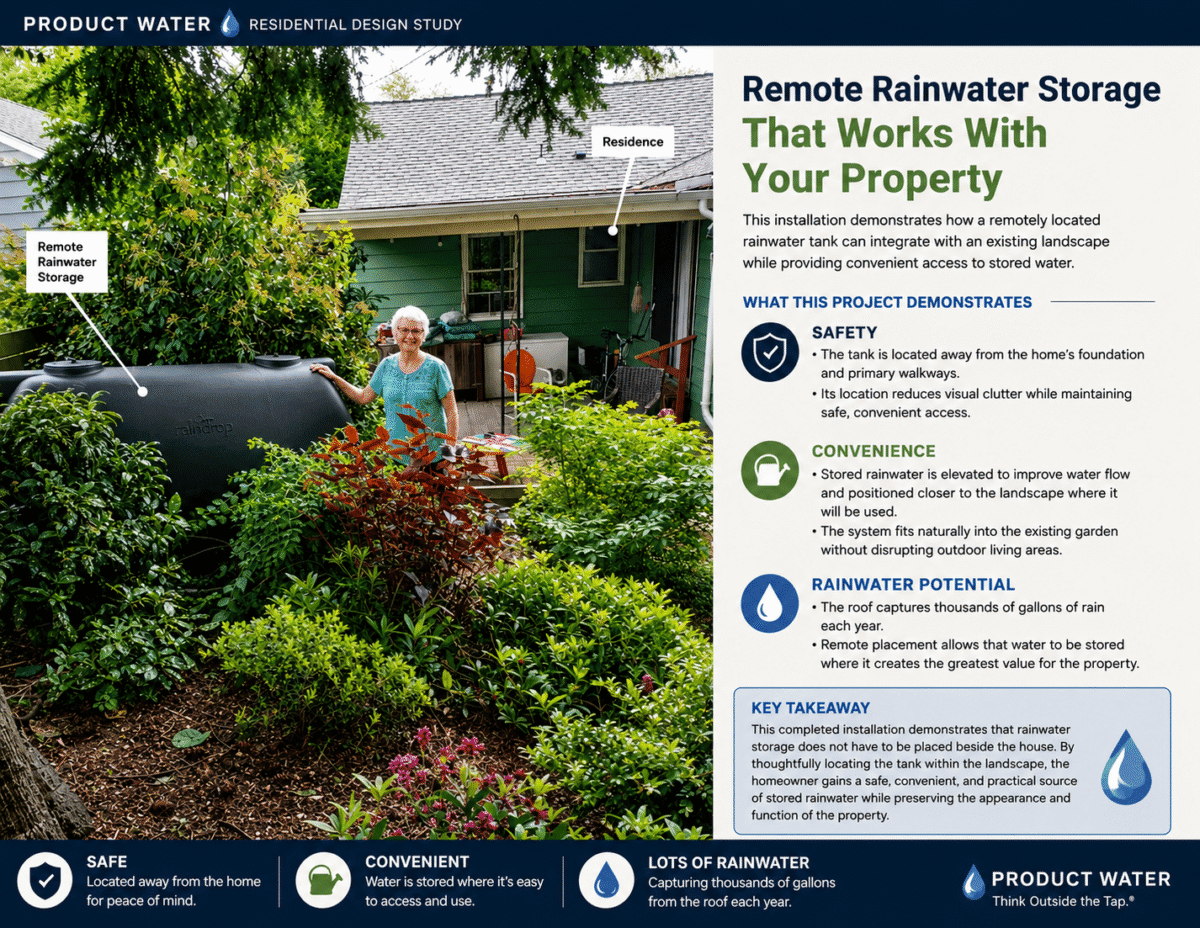
Systems do not have to be permanent or visually dominant.
Placement and visibility can be balanced with daily use of the space.
Why do homeowners sometimes change their goals during planning?
As people see how rainwater actually behaves on their property, their priorities often shift.
The focus moves from “how much water” to “how and when the water is used.”