
Most people don’t start thinking about water systems because they want to become experts in hydrology. They start thinking about water because something nudges them to. Often, that nudge is an incentive program.
Rebates, credits, and incentive programs play an important role in accelerating adoption of rainwater and stormwater systems. They lower barriers. They legitimize ideas that might otherwise feel fringe. They give people permission to act.
In that sense, incentives work. rainwater incentive programs
But incentives do more than fund systems. They quietly train people how to think about water. And that training has consequences—some helpful, some less so.
After many conversations with homeowners exploring rainwater systems, a pattern becomes hard to ignore: incentive programs simplify complexity in ways that make action easier, but those same simplifications can unintentionally distort how water systems are understood, designed, and valued over time.
This isn’t a critique of any specific program. It’s an observation about how incentives shape behavior—and why it matters if we want water systems that actually perform.
When a program exists, it naturally becomes the starting point.
People ask:
These are reasonable questions. Programs are built around eligibility, verification, and thresholds, so it makes sense that participants organize their thinking around those same categories.
But notice what happens: success becomes defined as qualification, not function.
A system is considered “good” if it checks the right boxes—even if it barely interacts with the actual water dynamics of the site. The focus shifts from how water moves, accumulates, infiltrates, or is reused to whether the system meets program criteria.
The incentive doesn’t just fund behavior. It becomes the lens through which water is understood.
Incentives are necessarily reductive. They have to be. Programs can’t account for every slope, soil type, roof geometry, or long-term use pattern. So they define minimums.
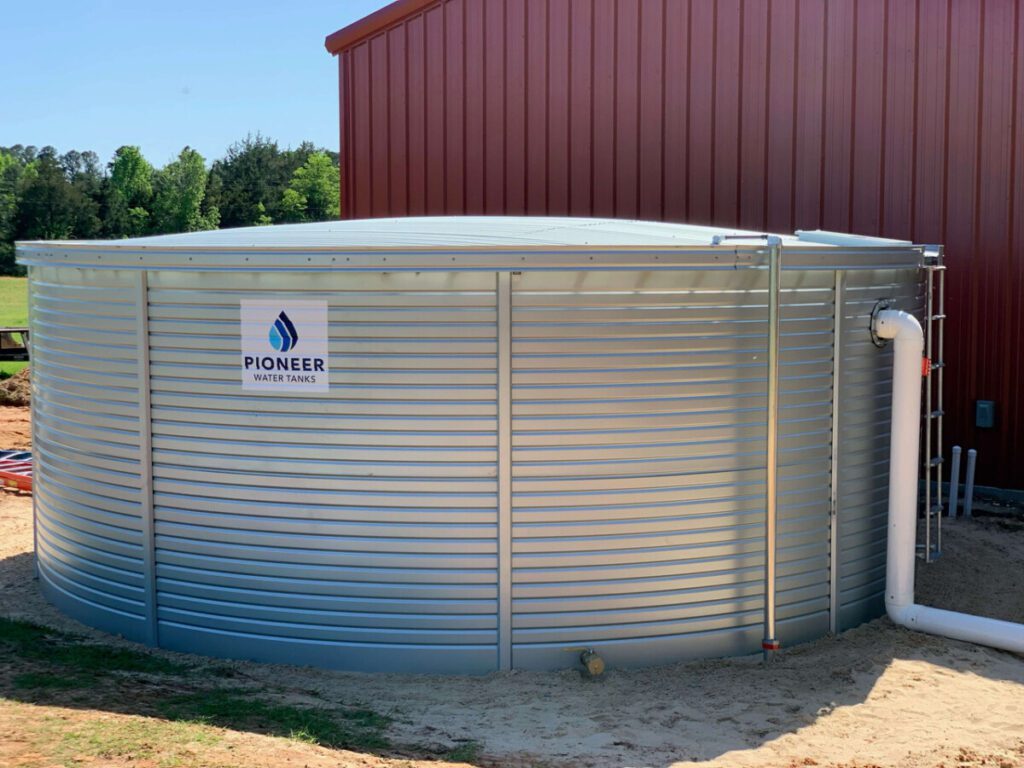
Minimum tank sizes.
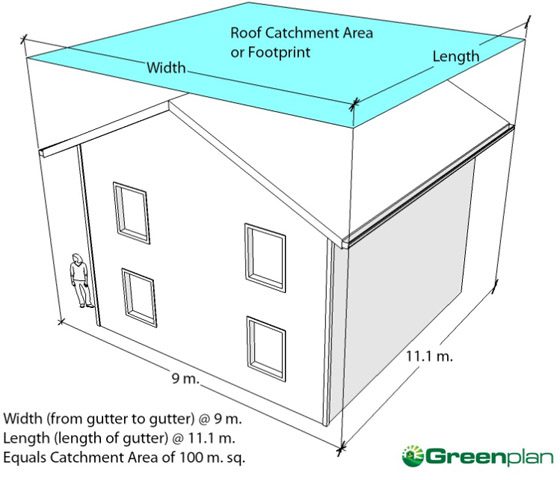
Minimum capture areas.
Minimum installation standards.
Again, this is understandable. But minimums are not neutral.
When minimums dominate the conversation, systems are optimized to pass inspections, not to serve sites. Water becomes something you “install” rather than something you integrate.
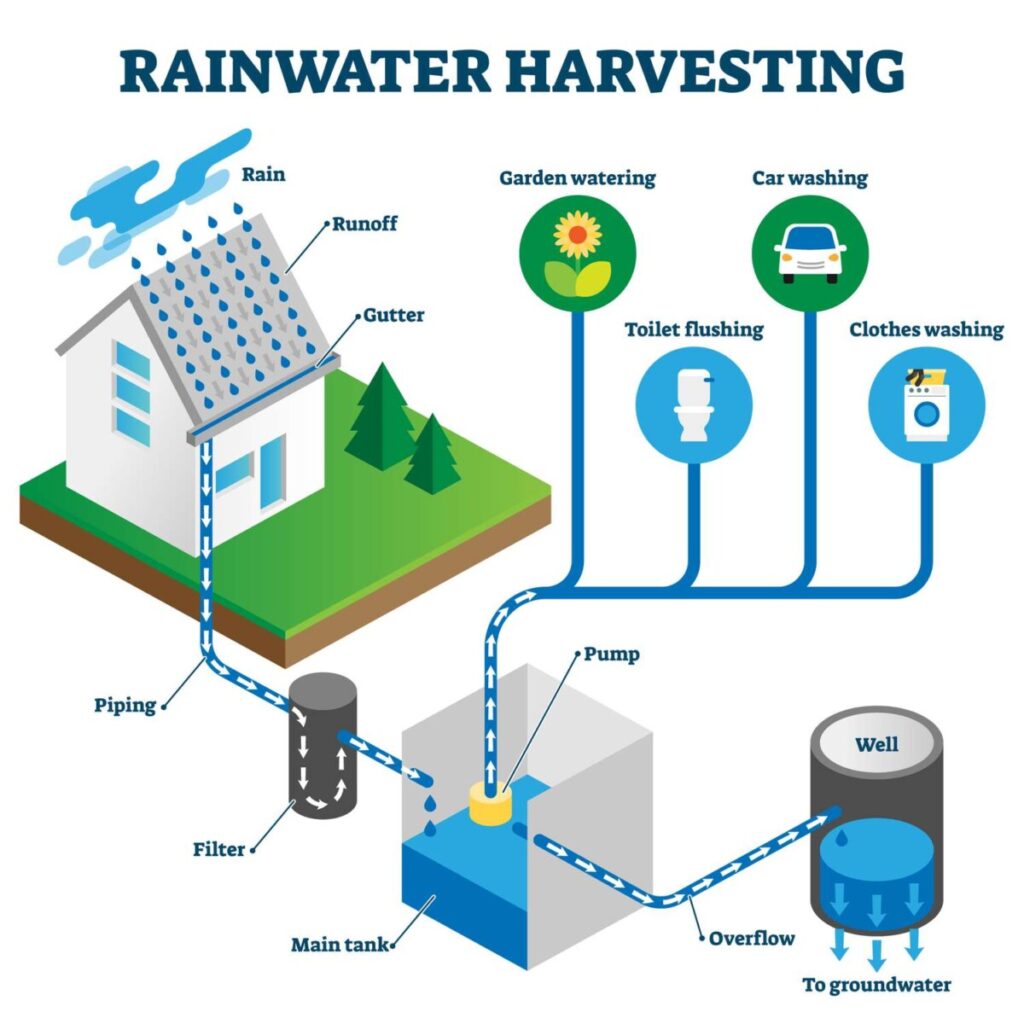
We see this when people talk about tanks as standalone objects instead of storage embedded within a larger hydraulic context. We see it when vertical capture is discussed without reference to where overflow goes, how soils behave, or how water could move laterally across a property. We see it when the conversation ends once the rebate is secured.
The system exists, but it doesn’t evolve. It doesn’t adapt. And often, it doesn’t meaningfully change how water behaves on the site.
Another subtle effect of incentive-driven thinking is how it compresses time.
Programs reward installation, not performance over years. Once the system is in place and verified, the incentive has done its job. But water systems don’t live in that timeframe.
They experience dry seasons and wet years.
They interact with landscapes that change.
They age. They clog. They reveal design assumptions that only become visible later.
When incentives dominate decision-making, long-term questions often arrive late:
These aren’t failures of intent. They’re failures of framing.
It’s important to say this clearly: incentive programs get a lot right.
They normalize water thinking.
They fund experimentation.
They bring water conversations into households that might never have them otherwise.
They are powerful tools.
But tools shape behavior. And when a tool becomes the primary frame, it can crowd out other ways of thinking.
The alternative isn’t to reject incentives. It’s to put them back in their proper place.
Incentives should be treated as delivery mechanisms, not as definitions of success.
A resilient water system starts with different questions:
These questions don’t fit neatly into application forms, but they determine whether a system is useful or merely compliant.
When incentives are layered onto systems thinking—rather than substituted for it—they work much better.
As water scarcity, storm intensity, and infrastructure strain increase, we can’t afford to treat water systems as accessories. They are infrastructure, whether we acknowledge it or not.
If incentive programs become the dominant mental model, we risk building thousands of isolated components instead of integrated systems. If, instead, we use incentives as on-ramps into deeper thinking, we unlock much greater long-term value.
The difference isn’t technical. It’s conceptual.
The most encouraging conversations aren’t the ones where someone asks how to qualify. They’re the ones where someone pauses and says, “I hadn’t thought about water that way before.”
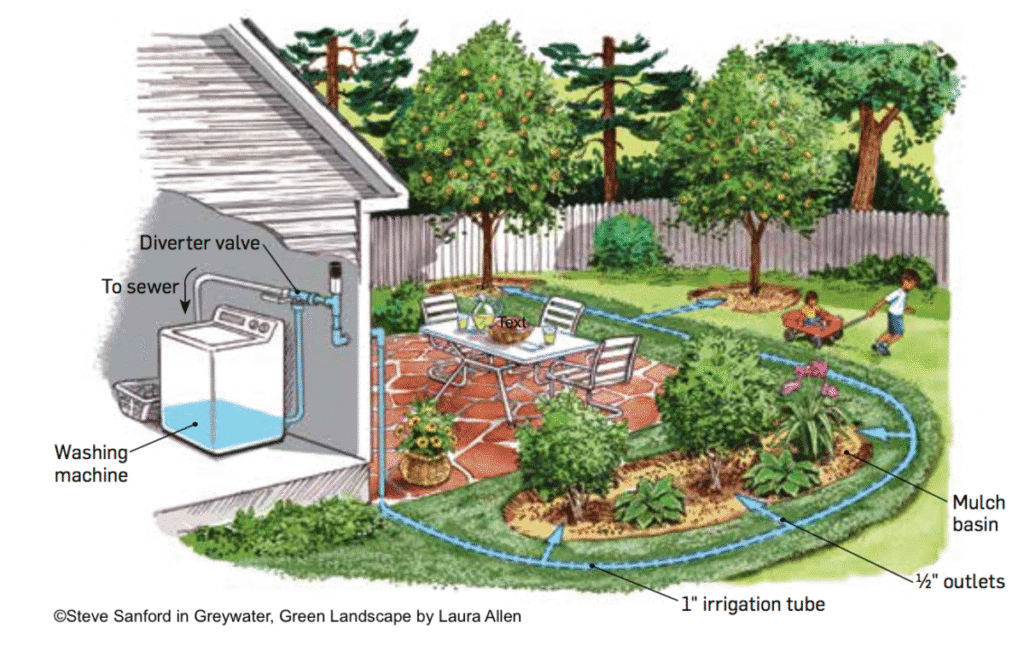
That moment—when water stops being a checkbox and starts being a system—is where real change happens.
Incentives can get us there. But only if we remember what they are for—and what they are not.